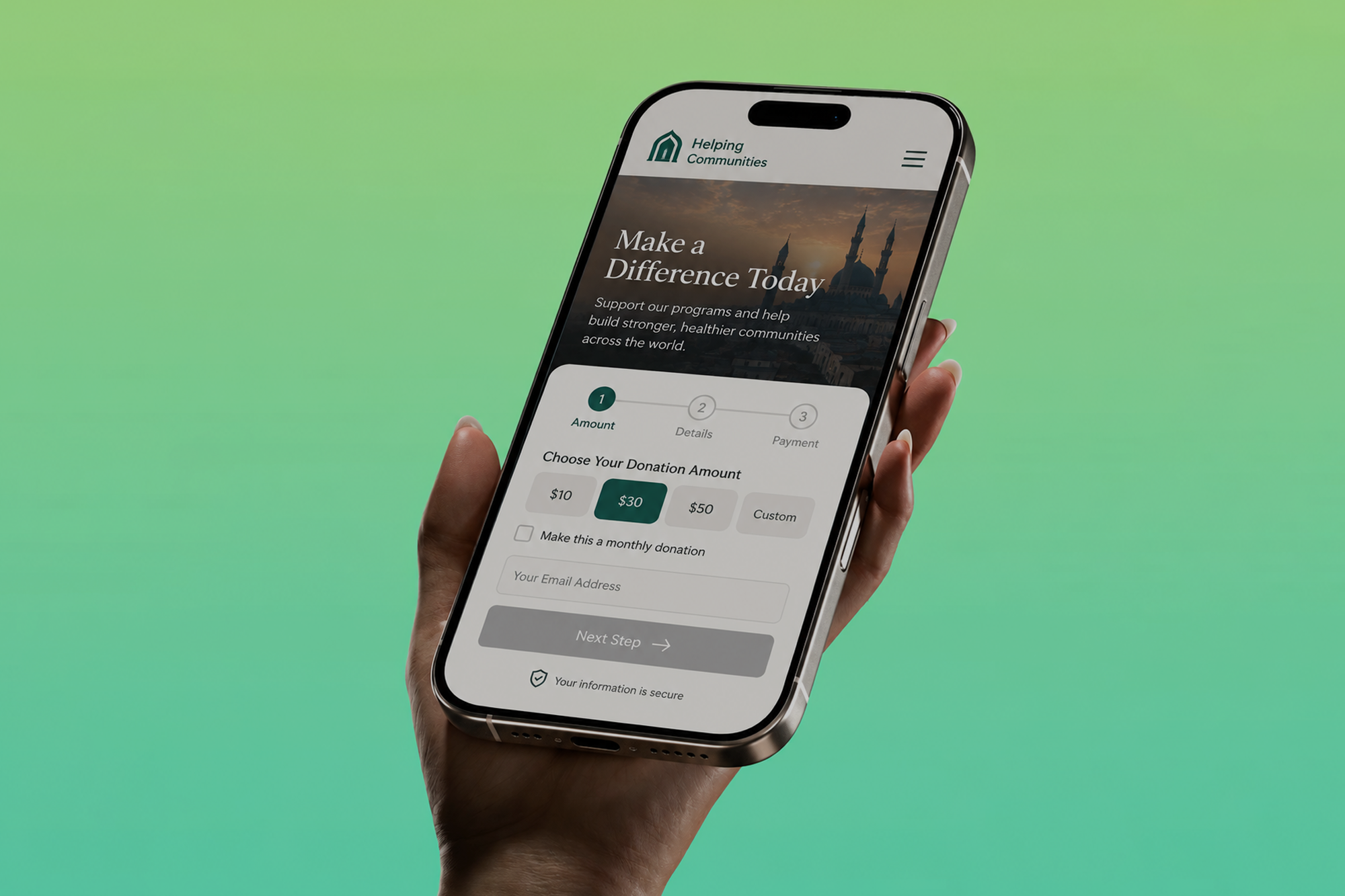
Nonprofits are built on purpose, but they run on systems. In 2026, the difference between organizations that grow and those that struggle isn’t passion. It’s operational clarity.
This is where AI workflow automation tools become transformative. The right workflow automation software does more than connect apps. It reduces manual dependency, strengthens donor communication, accelerates reporting, and creates operational stability.
In this guide, we explore the five most effective tools for nonprofits in 2026, how they differ, and how to choose the right automation software for long-term scalability.
>> Related Post: Best Fundraising & Donation Marketing Agencies for NGOs in 2026
Why AI Workflow Automation Is Now Infrastructure
For years, automation was considered optional, but in 2026, it is infrastructure. Nonprofits manage donor databases, email campaigns, grant documentation, impact reports, volunteer coordination, and internal approvals, often across disconnected platforms.
Without structured AI workflow automation, teams spend hours copying data, drafting repetitive emails, reconciling spreadsheets, and chasing internal approvals. Modern tools eliminate these friction points. They synchronize systems, trigger smart actions automatically, and increasingly, use AI to analyze and generate content.
Top 5 AI Workflow Automation Tools for Non-profits in 2026:
1. n8n
N8n stands out for its flexibility. Built with a developer-friendly architecture, it allows organizations to design deeply customized automation systems across CRMs, payment gateways, communication platforms, and AI models.
It enables smooth syncing between donation platforms and internal databases. It can trigger alerts for major gifts. It can automatically generate structured summaries from raw data using AI models. It can even automate recurring reporting workflows.
Unlike entry-level tools, n8n allows complex branching logic. That makes it especially valuable for nonprofits managing multiple campaigns, segmented donor journeys, or grant-specific reporting requirements. It requires more setup than beginner platforms, but in return, it offers long-term control and scalability.
For growing nonprofits that want ownership over their AI workflow automation, n8n is one of the strongest options available.
2. Zapier
Zapier remains one of the most approachable tools in the ecosystem. Its strength lies in simplicity. Non-technical teams can create automated workflows between thousands of applications within minutes. For smaller nonprofits or teams without developers, this accessibility is critical.
Zapier allows donation confirmations to trigger automated welcome emails. Event registrations can flow directly into CRM systems. Reporting sheets can be updated in real time. Notifications for significant contributions can be sent instantly to internal teams.
Recent AI enhancements add smart suggestions and content-based automation, gradually transforming Zapier from simple trigger-based software into more intelligent AI workflow automation software.
3. Slack AI + Workflow Builder
With AI integration and Workflow Builder, Slack has evolved into an internal workflow automation software layer that improves communication efficiency. Nonprofits rely heavily on collaboration. Campaign coordination, budget approvals, weekly reporting, and grant deadlines often live inside communication threads.
Slack workflows can structure these processes. Teams can automate weekly update requests. Approval chains can be formalized. AI can summarize long discussions into digestible briefs.
Instead of operational chaos hidden in chats, Slack becomes a controlled automation environment. For nonprofits already using Slack, this is one of the most practical and cost-effective AI automation tools available, because it enhances the infrastructure you already rely on.
4. Make
Make offers a visual workflow builder that balances flexibility with usability. It sits between beginner tools like Zapier and developer-focused systems like n8n. For mid-sized nonprofits, this balance is ideal.
Make enables advanced conditional workflows. Donor journeys can change based on contribution size. Campaigns can trigger different sequences automatically. Multi-platform data can feed into centralized dashboards. Its visual structure helps teams understand automation logic clearly, which reduces long-term maintenance complexity.
For nonprofits scaling across multiple regions or program verticals, Make offers stronger logic control without enterprise-level pricing.
5. Gumloop
Gumloop represents the next evolution of AI automation software. Rather than focusing solely on task triggers, it emphasizes AI-driven reasoning workflows. For nonprofits heavily involved in research, policy work, or grant applications, this matters.
Gumloop can extract structured insights from long documents. It can summarize reports. It can assist in drafting proposals. It can analyze donor feedback at scale. This moves automation beyond repetitive tasks and into cognitive workload reduction.
For nonprofits operating in competitive funding environments, AI-native tools like Gumloop can significantly reduce the time required to prepare high-quality submissions.
>> Related Post: In-House Marketing vs Agency: What’s Best for NGOs?
AEON Digital & AI Workflow Automation Tools for Nonprofits
At AEON Digital, we approach AI workflow automation tools strategically, not reactively. We begin by auditing your existing systems. We identify repetitive operational friction. We design automation architecture aligned with your mission.
Our work includes CRM automation, donor journey structuring, AI-powered reporting dashboards, and integration between fundraising and communication platforms.
We don’t just implement AI automation software; we design operational ecosystems. If your nonprofit is preparing for growth in 2026, structured workflow automation software is no longer optional.
>> Schedule a consultation with AEON Digital and build systems!
FAQs
1. What are AI workflow automation tools?
They are platforms that automate repetitive processes while incorporating artificial intelligence for analysis, content generation, and decision support.
2. How do workflow automation tools benefit nonprofits?
They reduce administrative workload, improve data accuracy, and enhance donor communication consistency.
3. Are AI automation tools suitable for small nonprofits?
Yes. Many platforms offer scalable pricing and beginner-friendly interfaces.
4. What is the difference between workflow automation software and AI automation software?
Workflow automation handles task triggers, while AI automation software adds intelligent reasoning and content generation capabilities.
5. Can AI workflow automation improve grant writing?
Yes. AI-powered tools can summarize documents, analyze guidelines, and assist with structured proposal drafts.
6. Is donor data safe with automation tools?
Most reputable platforms use encryption and compliance standards, but due diligence is essential.
7. How long does implementation take?
Simple workflows can be implemented within days, while complex systems may require several weeks.
8. Do nonprofits need technical teams to use AI workflow automation?
Not necessarily. No-code tools are available for non-technical teams.
9. Which AI automation tool is best for scaling nonprofits?
It depends on complexity. Tools like Make or n8n offer stronger scalability.
10. Should every nonprofit automate?
Nonprofits should automate repetitive processes while preserving human-driven relationship building.