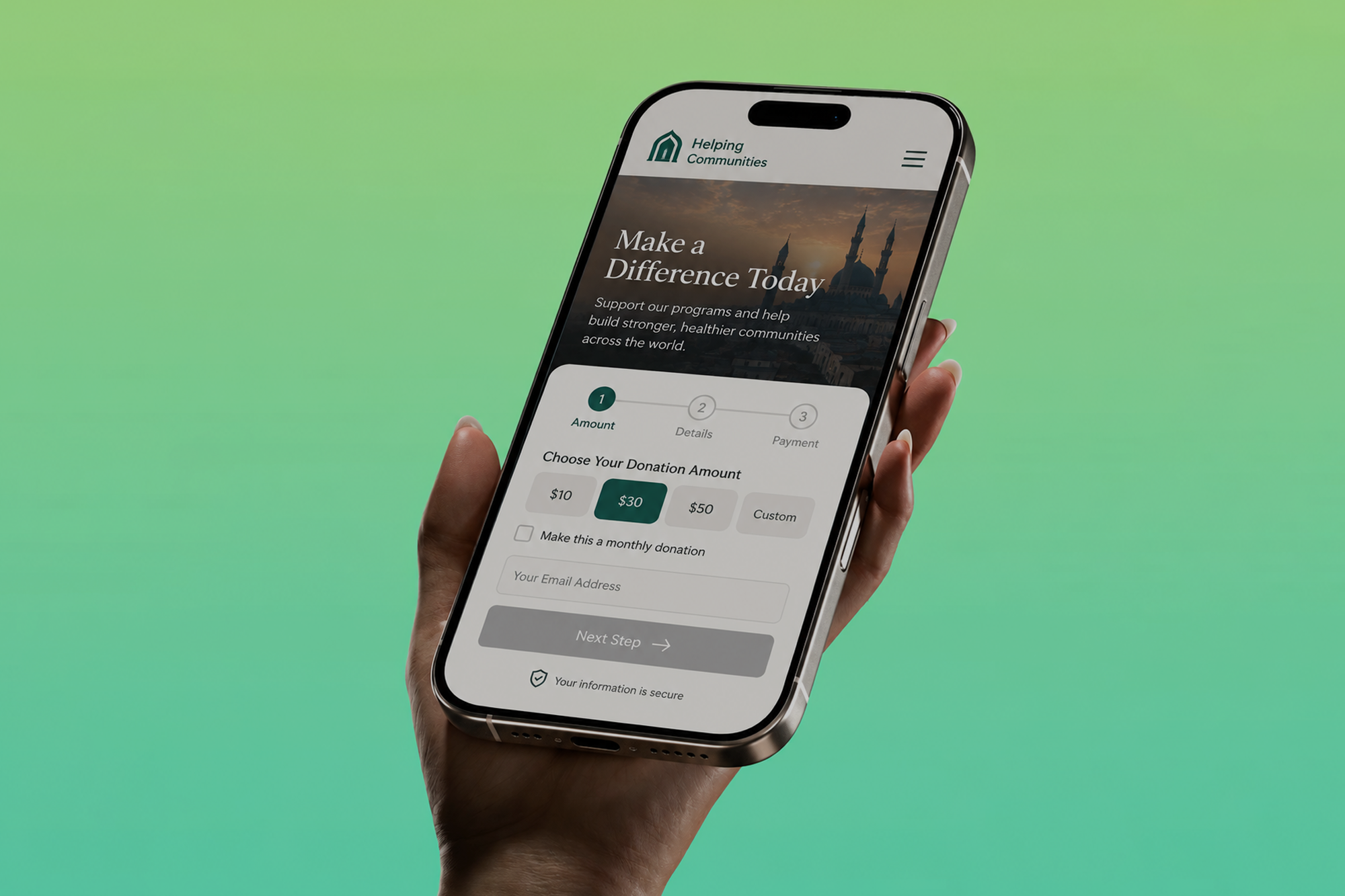
Facebook continues to be one of the most powerful platforms for nonprofits, especially when it comes to storytelling, community building, and fundraising. Even as new platforms rise, Facebook remains a central hub where donors, volunteers, and supporters actively engage with causes they care about.
However, Facebook in 2026 looks very different from what nonprofits were using just a few years ago. Algorithm changes, increased competition for attention, evolving ad formats, and more informed audiences mean that simply “posting regularly” is no longer enough.
To stay relevant and impactful, nonprofits must adopt smarter, more strategic approaches. This guide explores 10 Facebook best practices for nonprofits in 2026, helping organizations grow reach, increase engagement, and convert attention into meaningful action.
Why Facebook Still Matters for Nonprofits in 2026
Despite shifting social media trends, Facebook remains essential for nonprofits for several reasons. It offers advanced targeting options, built-in fundraising tools, strong community features, and a user base that includes many long-term donors and decision-makers.
More importantly, Facebook allows nonprofits to tell deeper stories through video, long-form captions, live sessions, and community groups, making it easier to build trust over time. According to nonprofit marketing experts, organizations that treat Facebook as a relationship-building platform, rather than just a broadcast channel, consistently see better results.
>> Related Post: 5 Psychology Principles that Nonprofits Can Use to Inspire Donors to Give
10 Facebook Best Practices for Nonprofit Organizations in 2026
1. Focus on Meaningful Engagement, Not Just Reach
In 2026, Facebook’s algorithm prioritizes meaningful interactions over passive views. Likes are helpful, but comments, shares, saves, and conversation matter far more.
Nonprofits should design posts that invite responses, asking thoughtful questions, encouraging supporters to share experiences, or prompting discussion around impact stories. When people interact with your content, Facebook shows it to more users organically, extending your reach without increasing ad spend. Instead of chasing viral content, focus on content that sparks genuine connection with your audience.
2. Use Storytelling to Show Impact, Not Just Need
Audiences in 2026 are more aware, more selective, and more emotionally intelligent. They don’t just want to know what the problem is, they want to see how their support makes a difference.
Successful nonprofits use Facebook to share stories of individuals, communities, and outcomes. These stories work best when they are human-centered, visual, and honest. A short video, a carousel of images, or a well-written caption can help supporters emotionally connect with your mission.
3. Prioritize Video Content (Especially Short-Form)
Video continues to dominate Facebook performance in 2026. Short-form videos, especially vertical formats, consistently outperform static posts in reach and engagement.
Nonprofits don’t need high-budget production to succeed. Authentic, mobile-friendly videos, such as behind-the-scenes clips, beneficiary messages, or quick updates from the field, often perform better than polished content. Facebook favors videos that keep viewers watching and interacting, so focus on clear messaging, strong hooks in the first few seconds, and captions for silent viewing.
4. Post Consistently With a Clear Content Strategy
Consistency is still key, but quality matters more than quantity. Nonprofits that post 3–5 times per week with a clear purpose tend to perform better than those posting daily without direction.
Your Facebook content strategy should balance education, inspiration, updates, and calls to action. This keeps your page valuable rather than repetitive. Planning content in advance also helps maintain consistency during busy campaign periods. Tools like content calendars and performance tracking make it easier to refine what works and eliminate what doesn’t.
5. Make Fundraising Posts Clear and Action-Driven
Fundraising on Facebook works best when calls to action are simple and emotionally grounded. Supporters should immediately understand what you’re asking, why it matters, and how their contribution helps.
Instead of posting donation links without context, pair them with impact-focused messaging. Explain what a specific amount can achieve and reinforce urgency when relevant. Facebook’s built-in fundraising tools also make it easier for supporters to donate without leaving the platform, reducing friction and improving conversions.
6. Use Facebook Groups to Build Community
Facebook Groups remain one of the most underused tools for nonprofits. In 2026, they are still highly effective for nurturing long-term relationships with supporters.
Groups allow for deeper conversations, exclusive updates, and peer-to-peer engagement. They work especially well for volunteer communities, recurring donors, or advocacy-focused audiences. Unlike Pages, Groups are designed for interaction, not broadcasting which aligns perfectly with Facebook’s engagement-driven algorithm.
7. Optimize Posts for Mobile-First Audiences
The majority of Facebook users access the platform on mobile devices. This means your visuals, captions, and links must be mobile-friendly. Short paragraphs, clear formatting, vertical images, and subtitles on videos significantly improve engagement. If your content requires zooming, long scrolling, or complex navigation, it’s likely to lose attention quickly. Mobile optimization is no longer optional.
8. Use Facebook Ads Strategically, Not Broadly
Paid promotion remains essential, but smart targeting matters more than budget size. Nonprofits should use Facebook Ads to amplify high-performing content, retarget engaged users, and reach lookalike audiences. Rather than boosting every post, focus Ad spend on content with proven engagement or clear conversion goals. This ensures better ROI and stronger long-term results.
9. Analyze Performance and Adjust Regularly
Data-driven decision-making is critical in 2026. Facebook Insights provides valuable information on reach, engagement, audience behavior, and content performance. Nonprofits that regularly review analytics can identify trends, refine messaging, and improve campaign effectiveness over time. Small adjustments can lead to meaningful performance improvements.
10. Align Facebook Content With Broader Digital Strategy
Facebook should not operate in isolation. The strongest nonprofits align Facebook campaigns with their website, email marketing, landing pages, and other social platforms.
Driving traffic to optimized landing pages, reinforcing email campaigns, and maintaining consistent messaging across channels creates a seamless supporter journey. This alignment strengthens trust and increases conversion rates. Internal linking from Facebook posts to your website helps deepen engagement and improve results.
>> Related Post: Key Online Fundraising Trends & Statistics for Nonprofits in 2026
How AEON Digital Helps Nonprofits Succeed on Facebook
At AEON Digital, we specialize in helping nonprofits turn social media into measurable impact. Our team understands that nonprofit marketing requires empathy, strategy, and precision, not generic tactics.
We help organizations with Facebook strategy, content planning, ad optimization, analytics, and conversion-focused storytelling. From awareness campaigns to fundraising funnels, our approach is always aligned with your mission and goals. If you’re looking to improve Facebook engagement, grow donor trust, and create campaigns that actually convert, reach out to discuss your nonprofit’s needs.
>> Explore Nonprofit Digital Solutions with AEON Digital
FAQs
1. Is Facebook still effective for nonprofits in 2026?
Yes. Facebook remains highly effective for storytelling, fundraising, and community building when used strategically.
2. How often should nonprofits post on Facebook?
Posting 3–5 times per week with consistent quality generally delivers strong engagement.
3. What type of content performs best on Facebook for nonprofits?
Short-form video, impact stories, and interactive posts consistently perform best.
4. Are Facebook Ads necessary for nonprofit growth?
While organic reach matters, ads help scale impact and target the right audiences more efficiently.
5. Should nonprofits use Facebook Groups?
Yes. Groups help deepen engagement and foster community-driven interaction.
6. How important is video for Facebook success?
Video is critical. Facebook prioritizes video content, especially short-form formats.
7. What role does storytelling play in nonprofit marketing?
Storytelling builds emotional connection and trust, which directly influences donations and advocacy.
8. How can nonprofits improve engagement organically?
By encouraging comments, sharing real stories, and responding actively to supporters.
9. Should Facebook link to a nonprofit’s website?
Yes. Linking to blogs, landing pages, and donation pages strengthens conversion and engagement.
10. Can AEON Digital help nonprofits manage Facebook strategy?
Absolutely, AEON Digital provides tailored social media and digital marketing solutions for nonprofits.