In 2026, nonprofits are competing for something more valuable than funding: attention and trust. Donors are more selective, audiences are more informed, and digital platforms are more crowded than ever before. Simply “being online” is no longer enough.
Digital marketing has become the backbone of how nonprofits share their mission, demonstrate impact, and sustain long-term relationships with supporters. When done right, it helps organizations move beyond one-time donations toward meaningful, ongoing engagement.
This ultimate nonprofit guide to digital marketing for 2026 explores what has changed, what still works, and how nonprofits can build digital strategies that are ethical, sustainable, and results-driven, without overwhelming already stretched teams.
>> Related Post: 10 Facebook Best Practices for Nonprofits in 2026
Digital Marketing for Nonprofits in 2026: What’s Changed?
Nonprofit digital marketing has matured. In 2026, success is no longer driven by volume, but by clarity and integration. Audiences now expect transparency, real stories, and visible impact. Algorithms favor content that creates conversation rather than promotion. At the same time, nonprofits must rely more heavily on owned channels like email and websites as privacy changes reduce third-party data access.
Perhaps most importantly, digital marketing is no longer separate from fundraising, communications, or programs. It sits at the intersection of all three, acting as the connective tissue that turns mission into measurable action.
>> Related Post: 5 Psychology Principles that Nonprofits Can Use to Inspire Donors to Give
Website Strategy as the Foundation of Nonprofit Digital Marketing
A nonprofit’s website is often the first place a potential donor, volunteer, or partner forms an opinion. In 2026, a website must immediately communicate purpose, credibility, and urgency.
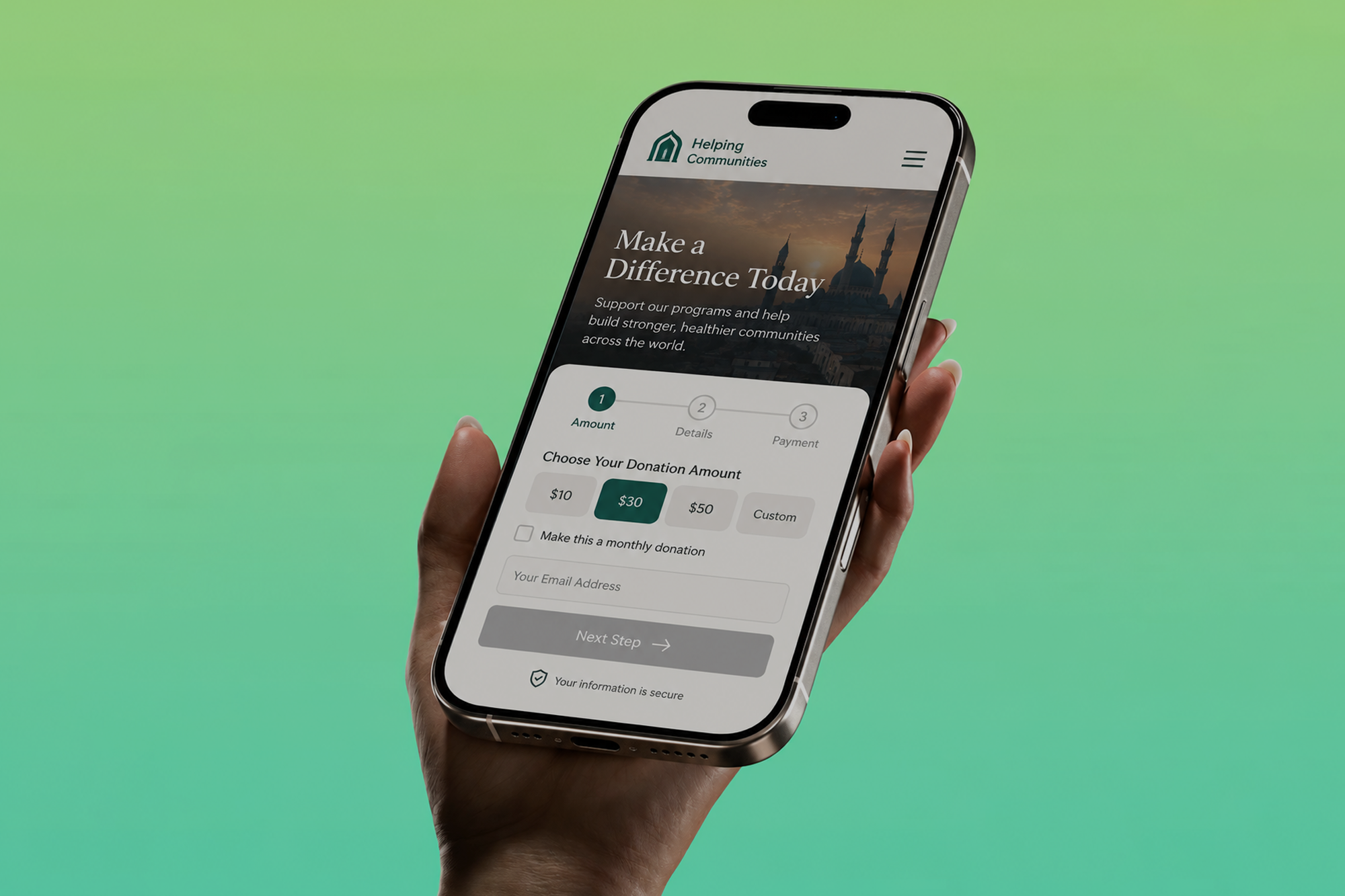
High-performing nonprofit websites clearly explain why the organization exists, who it serves, and how support creates impact. They are mobile-first, fast, and designed around real user behavior rather than internal assumptions. Donation journeys are simple and intuitive, and storytelling is woven throughout, not hidden in reports or PDFs.
Every digital campaign eventually leads back to the website. Without a strong foundation, even the best social or email strategies will struggle to convert interest into action.
>> Related Post: Key Online Fundraising Trends & Statistics for Nonprofits in 2026
Content Marketing for Nonprofits
In 2026, nonprofits that focus only on fundraising appeals risk donor fatigue. Content marketing plays a critical role in building trust long before a donation is requested.
Effective nonprofit content educates audiences about the problem being addressed, humanizes the people involved, and consistently shows progress. Blog articles, impact stories, videos, and field updates help supporters feel connected to the mission, not just solicited by it.
Rather than treating content as a one-time effort, successful nonprofits repurpose thoughtfully. A single well-written article can inform newsletters, social posts, fundraising pages, and grant communications, creating consistency across channels without extra workload.
>> Related Post: 10 AI Marketing & Fundraising Tools for Nonprofits in 2026
Social Media Marketing for Nonprofits in 2026
Social media remains powerful, but only when used intentionally. In 2026, nonprofits no longer need to be everywhere, they need to be meaningful somewhere. Audiences respond most to authentic, human content. Short-form videos, behind-the-scenes moments, and first-person storytelling outperform polished promotional posts. The goal is not perfection, but presence and honesty. Social media should support larger objectives: driving awareness, encouraging conversation, and guiding people toward deeper engagement through email sign-ups, campaigns, or events.
Email Marketing for Non-profits in 2026
Despite new platforms and trends, email remains one of the most effective digital marketing tools for nonprofits in 2026. It offers direct access to supporters without relying on algorithms or paid reach. What has changed is how email is used. Generic mass emails are increasingly ignored, while segmented, story-driven communication continues to perform well. Donors want relevance, transparency, and consistency not constant asks.
>> Related Post: 10 Effective Website Marketing Techniques for Nonprofit Growth
How AEON Digital Helps Nonprofits Grow Through Digital Marketing
At AEON Digital, we work with nonprofits to build digital marketing systems that are clear, scalable, and mission-aligned. Our focus is not on flashy campaigns, but on sustainable growth that respects both audiences and internal capacity.
We help nonprofits refine their storytelling, optimize digital touchpoints, and connect marketing efforts directly to fundraising and engagement goals. Every strategy is designed around impact, transparency, and long-term value.
>> Book a Strategy Consultation with AEON Digital
FAQs
1. What is digital marketing for nonprofits?
It involves using digital channels to raise awareness, engage supporters, and drive donations aligned with mission goals.
2. How is nonprofit digital marketing different in 2026?
It is more audience-centric, data-informed, and focused on trust rather than volume.
3. Which channel delivers the best ROI for nonprofits?
Email marketing continues to perform strongly when paired with good segmentation and storytelling.
4. Do nonprofits need paid advertising?
Paid ads are effective when used strategically, especially for campaigns and retargeting.
5. Is video necessary for nonprofit marketing?
Yes. Authentic video content consistently drives higher engagement.
6. Can small nonprofits succeed digitally?
Absolutely. Clear messaging and focused strategy often outperform large budgets.
7. How often should nonprofits post on social media?
Consistency matters more than frequency. Quality engagement is key.
8. Is AI safe for nonprofit marketing?
Yes, when used responsibly to support, not replace human judgment.
9. What metrics should nonprofits focus on?
Engagement, conversions, donor retention, and lifetime value.
10. How can AEON Digital support nonprofit growth?
By providing strategy-led digital marketing designed specifically for nonprofit realities.