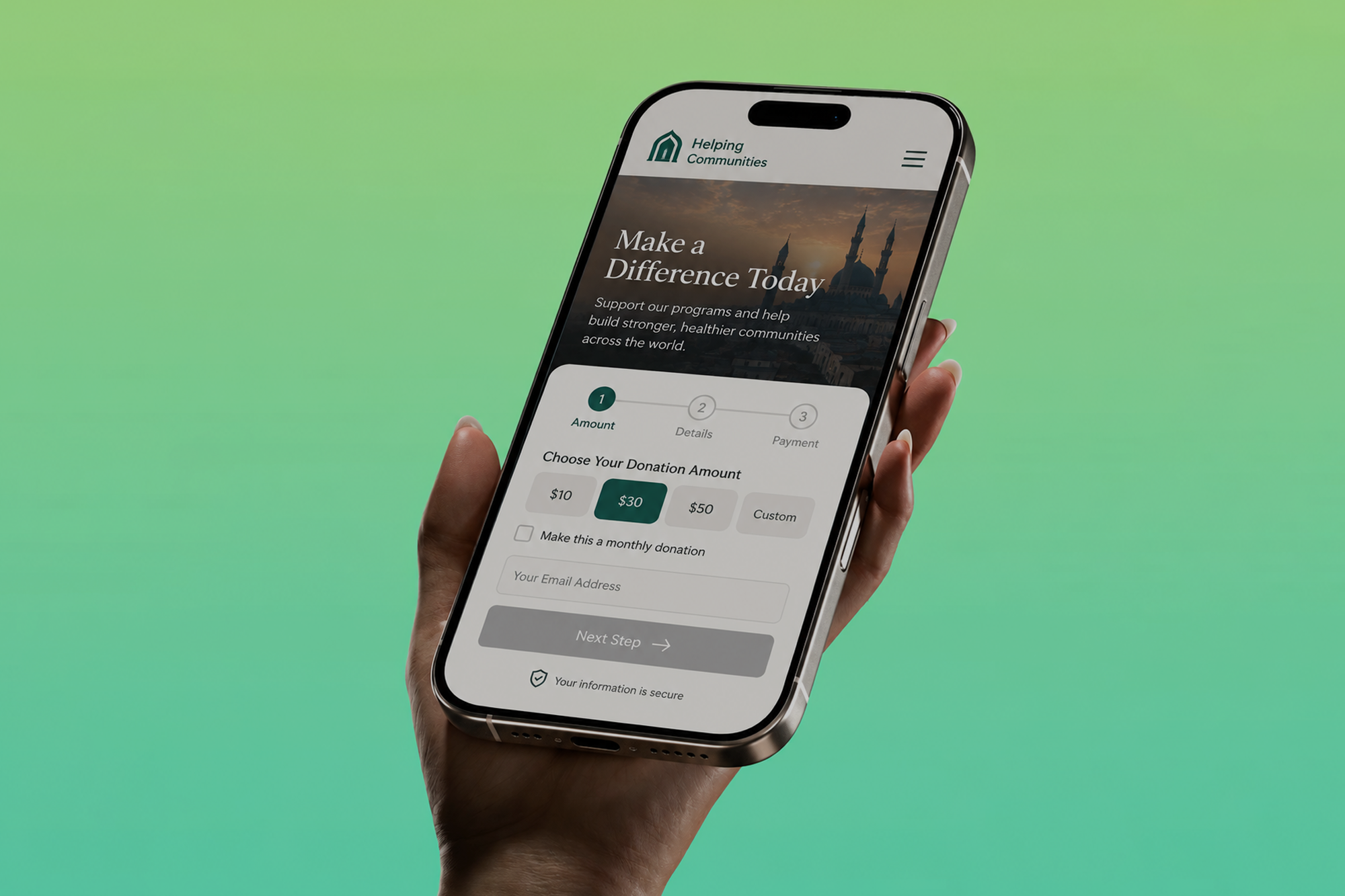
In 2026, nonprofits operate in a digital environment shaped by automation, tighter privacy laws, and increasingly conscious donors. People no longer give simply because an organization is visible. They give because they trust it, understand its impact, and feel emotionally connected to its mission.
This makes choosing the right digital marketing agency for nonprofits a critical decision. The right agency acts as a strategic partner that understands fundraising psychology, ethical storytelling, and long-term donor relationships, not just clicks and impressions.
This guide walks you through essential steps to help nonprofits choose an agency that aligns with their mission, budget, and goals.
Why Nonprofits Need Digital Marketing Agencies in 2026
Digital marketing has become central to how nonprofits raise funds, build credibility, and grow communities. In 2026, donor journeys are more fragmented, organic reach is limited, and trust is earned over time through consistent, transparent communication.
Most nonprofit teams are lean and focused on program delivery. Managing SEO, paid campaigns, content strategy, analytics, CRM integrations, and compliance internally is rarely realistic. A specialized digital marketing agency helps nonprofits navigate this complexity while staying focused on impact rather than tactics.
>> Related Post: Best Digital Marketing Agencies for Nonprofits Charity Organizations in USA
10 Steps to Choose the Right Digital Marketing Agency for a Nonprofit Charity Organization in 2026:
Step 1: Define Clear Goals Before You Start
Before engaging with any digital marketing agency, nonprofits must first align internally on what they are trying to achieve. Many organizations rush into agency conversations with vague objectives like “increase visibility” or “raise more donations,” which makes it difficult to evaluate success later on.
In 2026, clarity is critical. Are you looking to increase one-time donations, grow recurring donors, promote a specific campaign, or strengthen long-term brand trust? Each goal requires a different digital approach. A well-chosen digital marketing agency for nonprofits will help refine these goals, but the nonprofit must enter the conversation with a clear sense of direction. Without this foundation, even strong execution can lead to disappointing results.
Step 2: Prioritize Proven Nonprofit Experience
Not all marketing experience translates well to the nonprofit sector. Fundraising appeals, donor communications, and impact storytelling require sensitivity, trust, and ethical responsibility. Agencies without nonprofit experience often approach campaigns with overly commercial language that can erode donor confidence.
An agency that has worked with nonprofits understands the nuances of donor behavior, seasonal giving cycles, compliance requirements, and the importance of transparency. They know that success is not measured only in clicks, but in trust built over time. When evaluating agencies, nonprofits should look for clear examples of nonprofit campaigns, measurable outcomes, and an understanding of mission-driven work rather than generic marketing wins.
Step 3: Evaluate Strategic Thinking, Not Just Services
Many agencies present long lists of services including, SEO, ads, social media, email marketing, but services alone do not create impact. What matters is how those services are connected through strategy.
A strong agency begins by understanding your audience, your mission, and your constraints before recommending tactics. They should be able to explain how different channels support one another and how each action fits into a broader growth plan. If an agency focuses primarily on execution without discussing strategy, audience insights, or long-term sustainability, it may not be equipped to support a nonprofit’s evolving needs.
Step 4: Ensure They Understand Fundraising Funnels
Unlike commercial purchases, donations rarely happen immediately. Donors typically move through a journey that includes awareness, engagement, trust-building, and repeated interaction before they decide to give.
A capable digital marketing agency for nonprofits understands this process and designs campaigns accordingly. They think beyond single campaigns and consider how content, email nurturing, retargeting, and storytelling work together over time. Agencies that only focus on driving traffic or running ads without addressing donor nurturing often deliver short-term spikes without long-term growth.
Step 5: Ask About Responsible Use of AI and Automation
AI and automation are now standard tools in digital marketing, but their use in nonprofit work requires careful consideration. Automation can help streamline reporting, optimize campaigns, and support research, but it should never replace human judgment or empathy.
In 2026, nonprofits must be especially cautious about donor data, privacy, and representation. The right agency will be transparent about how AI is used, where human oversight remains essential, and how sensitive information is protected. Responsible use of technology strengthens trust; careless use can damage it.
>> Related Post: Marketing Automation for Nonprofits: Benefits & Use Cases in 2026
Step 6: Look for Transparency in Reporting and Communication
Clear reporting is essential for nonprofit accountability. An effective agency does not overwhelm clients with dashboards filled with vanity metrics, nor do they hide poor performance behind technical language.
Instead, they translate data into insights that nonprofit leaders can understand and act on. Reporting should clearly connect activities to outcomes, whether that is donations raised, cost efficiency, or engagement growth. Just as important is honest communication. Agencies should be comfortable discussing what is not working and adjusting strategy accordingly.
Step 7: Assess Content and Storytelling Quality
Storytelling is one of the most powerful tools nonprofits have, and poor storytelling can undermine even the best intentions. Content must be emotionally resonant, culturally respectful, and aligned with the organization’s values.
When evaluating an agency, nonprofits should review real examples of written content, not just visuals. The tone, language, and structure of stories matter deeply. A strong agency understands that stories are not marketing assets alone, they are representations of real people and real impact, and they must be handled with care.
Step 8: Consider Cultural and Mission Alignment
Beyond technical skill, alignment matters. A nonprofit’s agency partner should understand and respect its mission, values, and audience. Misalignment can lead to messaging that feels inauthentic or disconnected from the organization’s core purpose.
When values align, collaboration becomes easier and campaigns feel more genuine. Agencies that take time to listen, ask thoughtful questions, and adapt to your organizational culture are more likely to produce work that resonates with both donors and stakeholders.
Step 9: Understand Pricing and Engagement Models
Nonprofits operate under financial scrutiny, which makes pricing transparency essential. Agencies should clearly explain how they charge, what is included, and how changes in scope are handled.
In 2026, many agencies offer flexible models such as project-based work, short-term retainers, or phased engagements. The goal is not to find the cheapest option, but the one that offers clarity, fairness, and realistic expectations. An agency that respects your budget constraints is more likely to act as a true partner.
Step 10: Start Small and Build Trust Over Time
The most successful nonprofit–agency relationships are built gradually. Rather than committing to a long-term engagement immediately, nonprofits should begin with a pilot project, strategy phase, or single campaign.
This approach allows both sides to evaluate communication, workflow, and results before scaling. Trust is earned through consistency, transparency, and shared learning. Agencies that perform well in small engagements are far more likely to succeed as long-term partners.
>> Related Post: 10 Effective Website Marketing Techniques for Nonprofit Growth
How AEON Digital Supports Nonprofits
At AEON Digital, we work with nonprofits as long-term strategic partners. Our focus goes beyond execution to building sustainable digital systems that support fundraising, awareness, and trust. We combine ethical storytelling, data-driven strategy, and responsible use of technology to help nonprofits grow without compromising their values. Every campaign is designed with both immediate impact and long-term mission sustainability in mind.
>> Book a Free Non-Profit Digital Strategy Consultation Now!
FAQs
1. Why do nonprofits need specialized digital marketing agencies?
Because nonprofit fundraising, storytelling, and donor trust require a different strategic approach than commercial marketing.
2. How long before results are visible?
Engagement may improve quickly, while fundraising results typically build over several months.
3. Can small nonprofits afford agencies?
Yes, many agencies offer phased or project-based engagements suitable for smaller budgets.
4. What matters more; ads or content?
Content builds trust; ads amplify it. Both must work together.
5. How important is reporting?
Extremely important. Clear reporting ensures accountability and informed decision-making.
6. Should nonprofits use AI in marketing?
Yes, when used responsibly with strong human oversight.
7. What red flags should nonprofits watch for?
Overpromising, vague metrics, and lack of nonprofit experience.
8. How do we assess agency fit?
Start small, evaluate communication, and measure results against goals.
9. Is SEO important for nonprofits?
Yes, especially for long-term visibility and educational content.
10. Why choose AEON Digital?
We combine nonprofit expertise, ethical storytelling, and strategic execution focused on real impact.