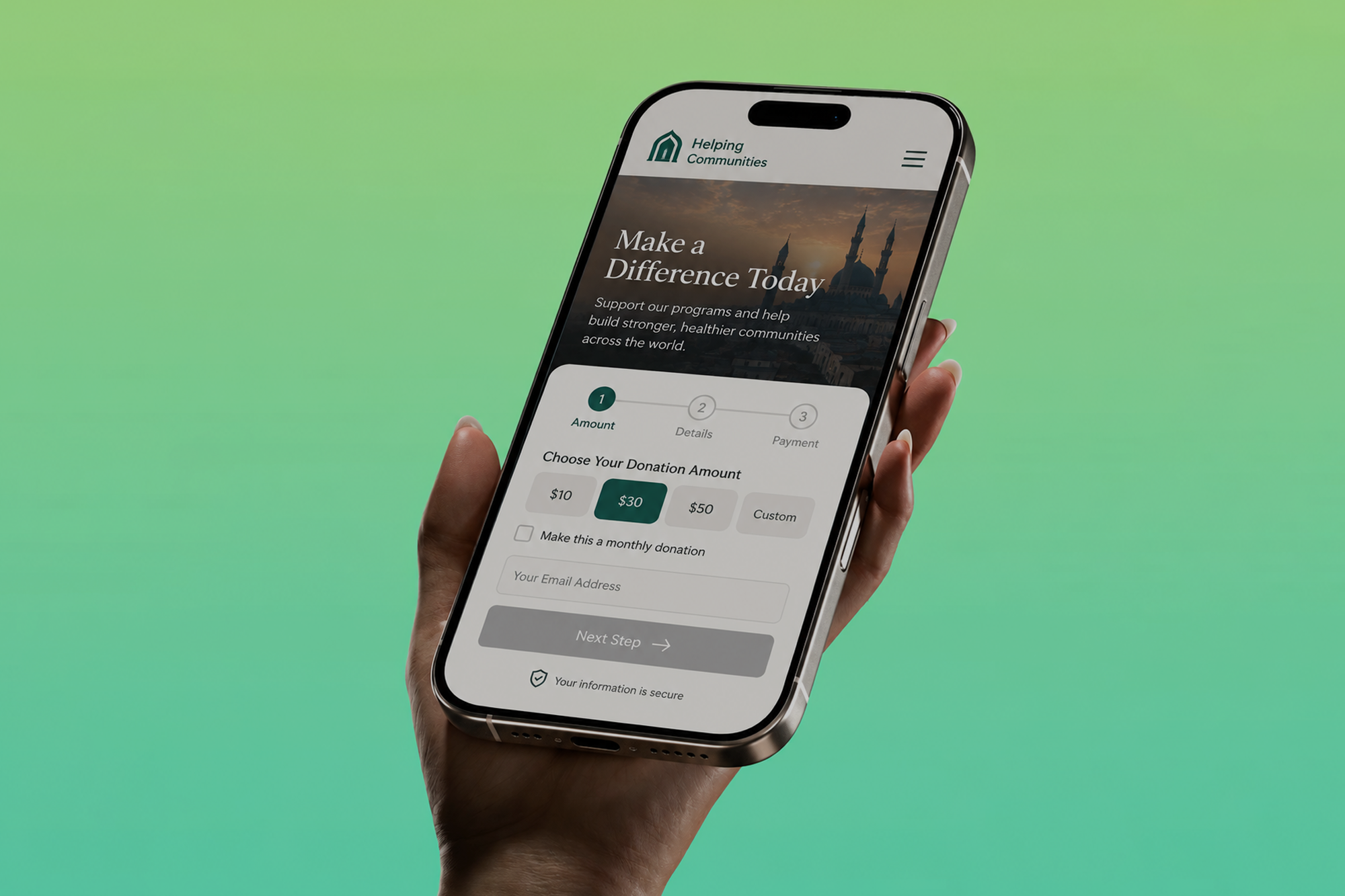
Imagine pouring endless hours into donor outreach, events, emails, and social media, all in the hope of making a difference, and yet often feeling like you’re running on a hamster wheel. As a nonprofit, your heart is full of passion, but your time and resources... maybe less so.
In this post, you’ll learn what marketing automation really means, how it can transform fundraising, six real benefits, inspiring case studies, and how AEON Digital can step in to make all of this practical and powerful for you.
What Is Marketing Automation?
At its core, marketing automation is using software to automate repetitive marketing tasks, things like sending welcome emails, segmenting your audience, scheduling social media posts, and following up with lapsed donors, according to rules or triggers.
For nonprofits, this means:
- Turning manual workflows into efficient ones (so fewer mistakes, less time wasted).
- Personalizing your communication (so donors feel seen, not generic).
- Creating workflows that respond to people’s actions (e.g., someone signs up, someone abandons a donation, etc.) rather than hoping you catch them manually
- Using data and behavioral signals to guide decisions (which messages work best, when to send them, to whom).
It’s fundraising automation, nonprofit marketing automation, marketing automation for nonprofits, all terms pointing to the same idea: automating parts of your marketing and outreach in smart, intentional ways so you can focus your energy on mission impact.
>> Related Post: AI for Nonprofits: Key Trends and Applications for 2026
6 Benefits of Marketing Automation for Nonprofits
1. Preserving Times and Resources
Time is a very useful commodity when it comes to any kind of organization, and that includes Nonprofits as well. By using automated marketing strategies, less time can be spent on menial tasks like scheduling e-mails, sorting donor data, running repetitive tasks, making online payments to various marketing-related computer programs, etc. That’s time freed up to strategize, build community, and deepen relationships. In this way, NPOs can redirect more energy and time towards planning and mission-critical work.
2. Improved Personalization & Supporter Engagement
From the point of view of donors, feeling valued and involved in any humanitarian mission of choice is crucial. This is why sending our personalized messages, e-mails, and letters is a must. Personalization means using names when addressing the donors and writing up targeted content that is enough to raise the right kind of emotion. All this can be done through automated marketing as well without expending human efforts.
3. Better Donor Retention
It’s far easier (and more cost-effective) to keep existing donors than to continuously find new ones. Automated follow-ups, reminders (for example, when a donor's credit card is about to expire), and regular check-ins help reinforce the relationship.
4. Consistency Across Channels & Touchpoints
Your potential supporter touches your organization in multiple ways: website, email, events, and social media. Automation helps ensure consistency: the right message at the right time, across channels, with reminders or follow-ups that match actions people take.
5. Data-Driven Decision Making & Optimization
Automation tools don’t just send messages, they track opens, clicks, behavior, conversions. You can see what’s working, what’s not, experiment (A/B test), and adjust. This feedback loop helps sharpen your fundraising efforts. Marketing automation platforms allow segmenting, scoring, and using metrics to drive engagement.
6. Scaling Fundraising Efforts Without Proportionally Scaling Costs
Once you have certain workflows, sequences, and triggers in place, they run with minimal manual overhead. Whether it’s sending anniversary donors, thank you, event reminders, or following up with lapsed supporters, you can expand your reach without hiring exponentially more staff. This makes growth sustainable.
>> Related Post: Top 5 Mistakes in Nonprofit Marketing and How to Avoid Them
5 Use Cases of Marketing Automation for Charity Organizations in 2026:
Marketing automation is transforming the way nonprofits engage supporters, raise funds, and manage their operations in 2026. Here are some important use cases demonstrating how nonprofits can harness automation to enhance their impact:
- Streamlining Donor Management
Nonprofits automate the collection of donor data from multiple sources to create unified profiles. This reduces manual entry and errors. Automated workflows enable personalized thank-you emails, donation receipts, and follow-ups that are sent based on donor actions. - Coordinating Multichannel Campaigns
Automation platforms help nonprofits deliver integrated campaigns across email, SMS, social media, and direct mail. Behavior-based triggers send timely and relevant messages, increasing supporter engagement and donation rates. - Simplifying Event Sign-Up and Communication
Automation tools manage event registrations, send calendar invites, update attendee lists in real time, and send follow-up surveys or donation appeals. This reduces staff workload and maximizes fundraising opportunities. - Engaging Volunteers
Automated drip campaigns nurture potential volunteers by providing relevant information about events and opportunities. Segmented lists ensure volunteers receive communications tailored to their interests and availability. - Improving Donor Prospecting and Segmentation
Artificial Intelligence-powered tools integrated with CRMs identify high-capacity donors and segment supporters by giving potential. This allows fundraisers to prioritize outreach efforts and build stronger relationships. - Automating Social Media and Content Sharing
Scheduling and automating social media posts that target different supporter segments saves time and improves visibility. AI tools can also recommend content, helping nonprofits maintain consistent and engaging outreach. - Creating Personalized Supporter Experiences
Automation adapts communications based on supporter behavior, such as attending events or making donations. This makes interactions feel more personal and improves supporter retention and lifetime gift amounts. - Enhancing Analytics and Reporting
Automated dashboards and reports provide fundraising teams with actionable insights on campaign effectiveness, donor behavior, and return on investment. This helps teams adjust strategies quickly for better results.
>> Related Post: Mastering Donor Segmentation for Nonprofits: Practical Examples & Tips for 2026
AEON’s Role in Automating Your Nonprofit’s Marketing
At AEON Digital, we believe that technology should feel like support, not stress. That’s why we help nonprofits turn complex marketing systems into simple, human, and automated journeys that nurture lasting donor relationships.
1. Building Smart Strategies That Reflect Your Mission
We start by understanding your story, your goals, your donors, and your challenges. Then, our team designs a custom automation strategy that ensures every message, email, or campaign stays true to your mission. Learn more about our digital strategy services.
2. Integrating Tools That Work Together
We help you connect your existing platforms: CRMs, email marketing, event management tools into one smooth ecosystem. This means no more lost data or duplicated efforts. Explore how we simplify tech through digital transformation solutions.
3. Creating Workflows That Save Time and Strengthen Bonds
From automated welcome emails and donor reminders to re-engagement sequences, AEON builds thoughtful workflows that keep your community engaged even when you’re not online. It’s automation with empathy, not just efficiency.
4. Empowering Your Team
We don’t just build systems, we make sure your people can manage them confidently. Through ongoing support and training, we help your team embrace automation as a natural part of your organization’s growth.