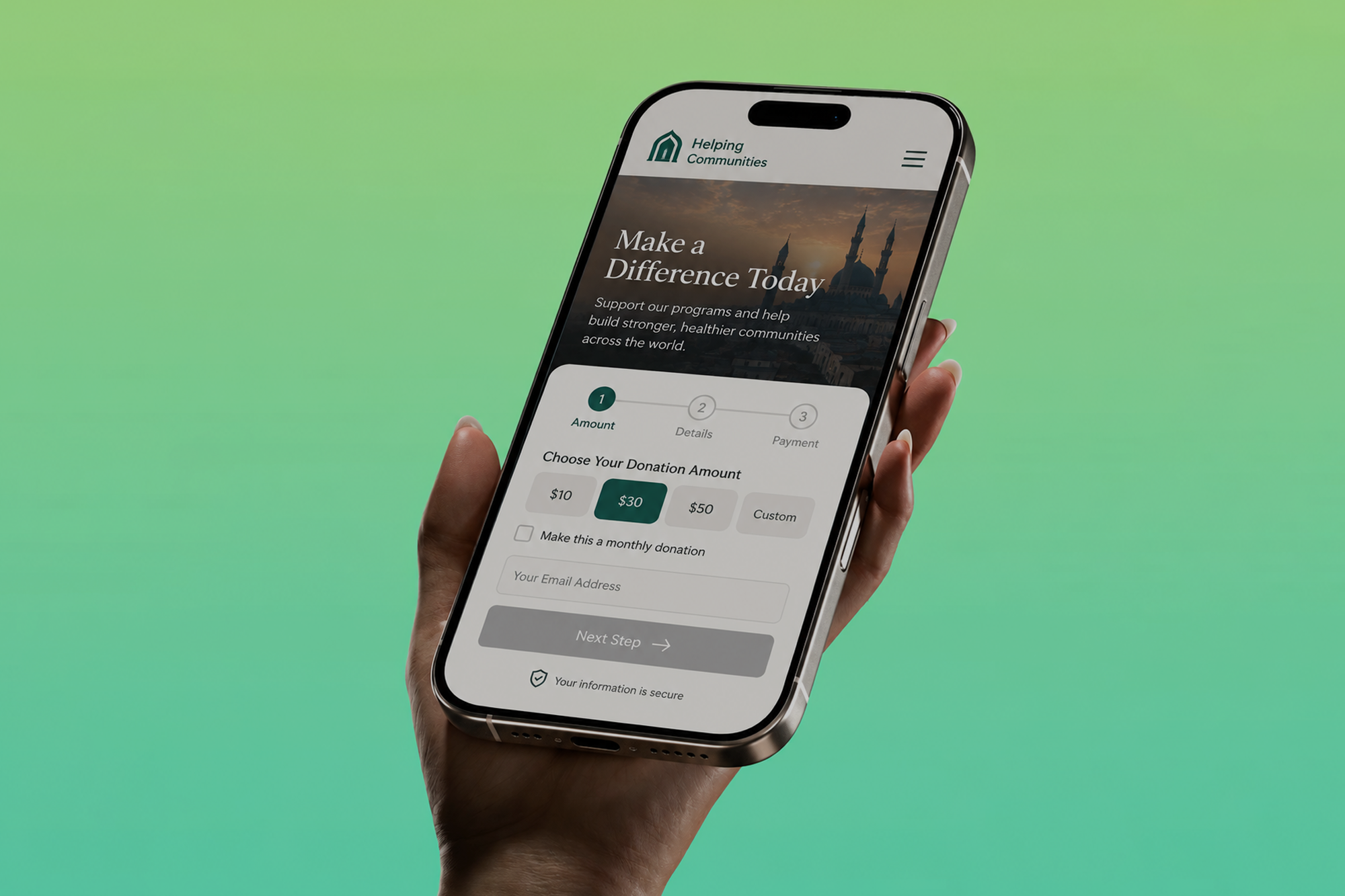
Imagine sending the same message to every single donor on your list and watching many of them ignore it. You’ll feel the pain of wasted effort. But what if each donor felt you were speaking directly to them, knowing who they are, caring about what they care about, and inviting them to partner in a mission that means something to them? That’s the magic of donor segmentation (or audience segmentation).
What Is Donor / Audience Segmentation?
Donor segmentation is the process of splitting your donor or audience base into smaller, more meaningful groups (segments) based on shared characteristics, behaviors, or preferences. Think of donor segmentation as understanding individual preferences within a shared passion. Just as two people may both enjoy ice cream but prefer different flavors, your supporters may share your mission but connect with it in distinct ways. If you approach every donor with the same message, some will feel unseen or disconnected. But when your outreach reflects their unique motivations and values, they feel genuinely recognized and appreciated.
In the world of non-profits, segmentation refers to creating engagement-increasing strategies that include customizing the messages and asks. By doing so, each donor receives what emotionally affects them the most. Segmentation is not limited to donors: it also applies to volunteers, members, event attendees, website visitors, and other stakeholders.
>> Related Post: AI for Nonprofits: Key Trends and Applications for 2026
Why Should Nonprofits Use Segmentation?
Segmentation is more than a fancy marketing term. For nonprofits, using donor segmentation is often a turning point, a shift from one-size-fits-all appeals to relational, strategic engagement. Here’s why:
1. Efficiency & Smarter Use of Resources
Yes, segmentation takes effort. But in the long run, it saves time (and money) because your outreach becomes more precise, less wasteful, and more likely to resonate. Once nonprofits begin segmenting, they often regret waiting so long.
2. Higher Response & Engagement Rates
Generic messages fade into noise. When your donors feel the appeal is custom-crafted for them, they’re more likely to open, click, read, act, and give.
3. Reduced Donor Fatigue
If you ask someone who gave $20 last year to suddenly donate $500, you risk alienating them. Segmentation ensures your nonprofit’s asks and messages align with the donor’s history and capacity, avoiding overwhelm or frustration.
4. Deeper Relationships & Trust
Segmentation helps you treat donors as humans, not numbers. You can acknowledge their journey, their past contributions, and their preferences. That builds trust, loyalty, and long-term commitment.
5. Better Retention & Uplift
When you send relevant content and show genuine appreciation, donors stick around longer. Retention is easier, and you can nurture small donors to become bigger ones over time.
6. Stronger Insights & Strategy
Segmenting forces you to get data, analyze behavior, and test what works. Over time, you’ll build an evidence-based approach, rather than relying on guesswork.
How Can Nonprofits Use Segmentation?
Here are some guiding principles and tactics relevant to nonprofits that will help them use segmentation in the best possible manner:
Principles & Best Practices
- Choose meaningful, measurable traits
Pick segmentation criteria that are stable enough to be useful, large enough to act on, and easy to measure. - Apply segmentation across all channels
Don’t just segment your email list. Use segmentation in direct mail, social media, digital ads, event invites, and more. - Respect communication preferences
Ask donors how they want to hear from you (email, SMS, mail, phone), then segment accordingly. - Allow fluid movement between segments
Donors evolve. Someone can move from “small donor” to “major donor” or from “new donor” to “loyal donor.” Don’t lock them permanently. - Test, iterate, refine
Use experiments (A/B tests, campaign analytics) to see which segments respond best to what messages, then refine.
>> Related Post: Top 5 Mistakes in Nonprofit Marketing and How to Avoid Them
8 Tips to Market Donor Segmentation for Nonprofits
1. Gift Amount Tiers
Not every donor gives the same amount, and that’s okay. The key is to speak to them according to their capacity. Segment your donors by how much they give: small donors (under $50), mid-level ($50–$500), and major donors ($500+).
When you send a thank-you email, make it feel personal to that group. For example, small donors might receive heartfelt updates showing how their contribution helped feed one child, while major donors might get a video message from your director sharing the broader community transformation their support made possible.
2. Recency, Frequency, Monetary (RFM) Segmentation
One of the most insightful ways to segment donors is through the RFM model: Recency (when they last gave), Frequency (how often they give), and Monetary (how much they give).
This approach allows you to see who your most loyal donors are, who’s drifting away, and who might be ready to increase their giving. For instance, someone who donates small amounts frequently might respond well to a monthly giving campaign, while a donor who gave once two years ago might need a warm reintroduction or story-driven update. Using RFM segmentation helps you meet donors where they are emotionally, whether that’s nurturing an active supporter or reigniting the passion of someone who once cared deeply.
3. Age and Generational Segmentation
A 25-year-old professional and a 65-year-old retiree might both support your cause, but how they connect with your message will differ drastically. Generational segmentation helps you plan communications that resonate with life stages, values, and media preferences.
Younger donors (Gen Z and Millennials) tend to respond to visuals, social media storytelling, and clear calls to action. They want transparency and instant impact. Older generations might prefer newsletters, phone calls, or handwritten thank-you notes, gestures that feel sincere and traditional.
4. Donor Type or Relationship Role
Not all donors have the same relationship with your organization. Some are event attendees who give occasionally, others are volunteers who donate time instead of money, and some are consistent monthly supporters.
By understanding these roles, you can customize your communication to match their connection with your mission. Volunteers may appreciate updates about the specific projects they worked on, while event donors might enjoy photos and follow-ups showing the event’s outcomes.
5. Length of Relationship with Your Organization
Donors evolve with time. Someone who has supported your nonprofit for five years deserves a different message than someone who just joined last week. For new donors, focus on onboarding, welcome them warmly, tell your story, and show them the tangible change their first gift makes. For long-term donors, deepen the relationship with exclusive updates, early event invitations, or insider reports. When you honor the length of your relationship, donors feel seen not as transactions but as lifelong partners in your mission.
6. Preferred Communication Channel
Some people love emails. Others prefer texts, phone calls, or even direct mail. Segmenting by communication preference is one of the simplest yet most effective ways to respect your donors’ comfort zone. A younger supporter might prefer quick Instagram stories or concise SMS updates, while older donors may appreciate detailed email newsletters or printed impact reports. When you communicate how they want to be reached, your message becomes more welcome, not intrusive.
7. Volunteering Activity and Engagement
Volunteers are often your most passionate advocates. They’ve given their time, and time is often more valuable than money. Segmenting your audience by volunteer activity allows you to nurture these individuals differently. When you recognize volunteers as part of your donor ecosystem rather than separate from it, you inspire them to deepen their involvement, often leading to financial contributions down the line.
8. Lapsed or Inactive Donors
A lapsed donor isn’t a lost donor; they’re a relationship waiting to be rekindled. These are individuals who once believed in your cause but, for some reason, stopped giving. Segment them carefully and reach out with empathy. Avoid guilt-driven messaging. Instead, remind them of the impact they once had: “Because of you, 50 families found safe shelter last winter. We’d love to have your support again this year.” Offering updates on new initiatives, paired with gratitude for their past support, can reignite that emotional spark. A thoughtful re-engagement strategy can transform silence into renewed commitment.
How Can AEON Digital Help You with Marketing Donor Segmentation?
Here’s how AEON Digital can partner with you:
1. Strategy & Planning
We’ll help you define segmentation frameworks according to your cause, donor base, data systems, and goals. We’ll co-create a roadmap: which segments to start with, which metrics to track, and how to scale over time.
2. Data Audit & Integration
Segmentation only works when your data is clean, accessible, and integrated. We’ll audit your donor database, fix segmentation gaps, connect your CRM and marketing tools, and build automated flows.
3. Messaging & Content Personalization
We craft emotional, persuasive messaging and content that speaks to each segment, whether small donors, legacy givers, volunteers, or lapsed donors. We won’t send the same email to everyone; we’ll speak to them.
4. Multichannel Implementation
Whether via email, social media, digital ads, direct mail, events, or more, we’ll map segmentation across channels so your audience hears the right message in the right place.
5. Campaign Execution & Automation
We build automated journeys (welcome series, re-engagement series, upgrade paths) that move donors between segments over time. We’ll also set up A/B tests to continuously improve.
>> Related Post: Marketing Automation for Nonprofits: Benefits & Use Cases in 2026
FAQs
1. Does segmentation really work for small nonprofits?
Absolutely. Even if your donor base is modest, segmenting into just two or three meaningful groups (e.g. new donors vs recurring donors) can boost relevance and response.
2. Isn’t segmentation too time-consuming?
It does require upfront work, but over time, the time savings and increased effectiveness pay off. Many nonprofits say they regret not starting segmentation sooner.
3. How many segments should I create?
Start with a few meaningful segments (3–5) rather than dozens. Each segment should be large enough to act on and distinct enough to merit different treatment.
4. How do I move donors between segments?
Use automation and rules: e.g., if a donor gives a second time, move them from “first-time donor” to “recurring donor.” If a donor hasn’t given in 24 months, move them to “lapsed donor.”
5. Can I segment non-donors or volunteers?
Yes. Segmentation applies to any audience, volunteers, members, event attendees, and website visitors.