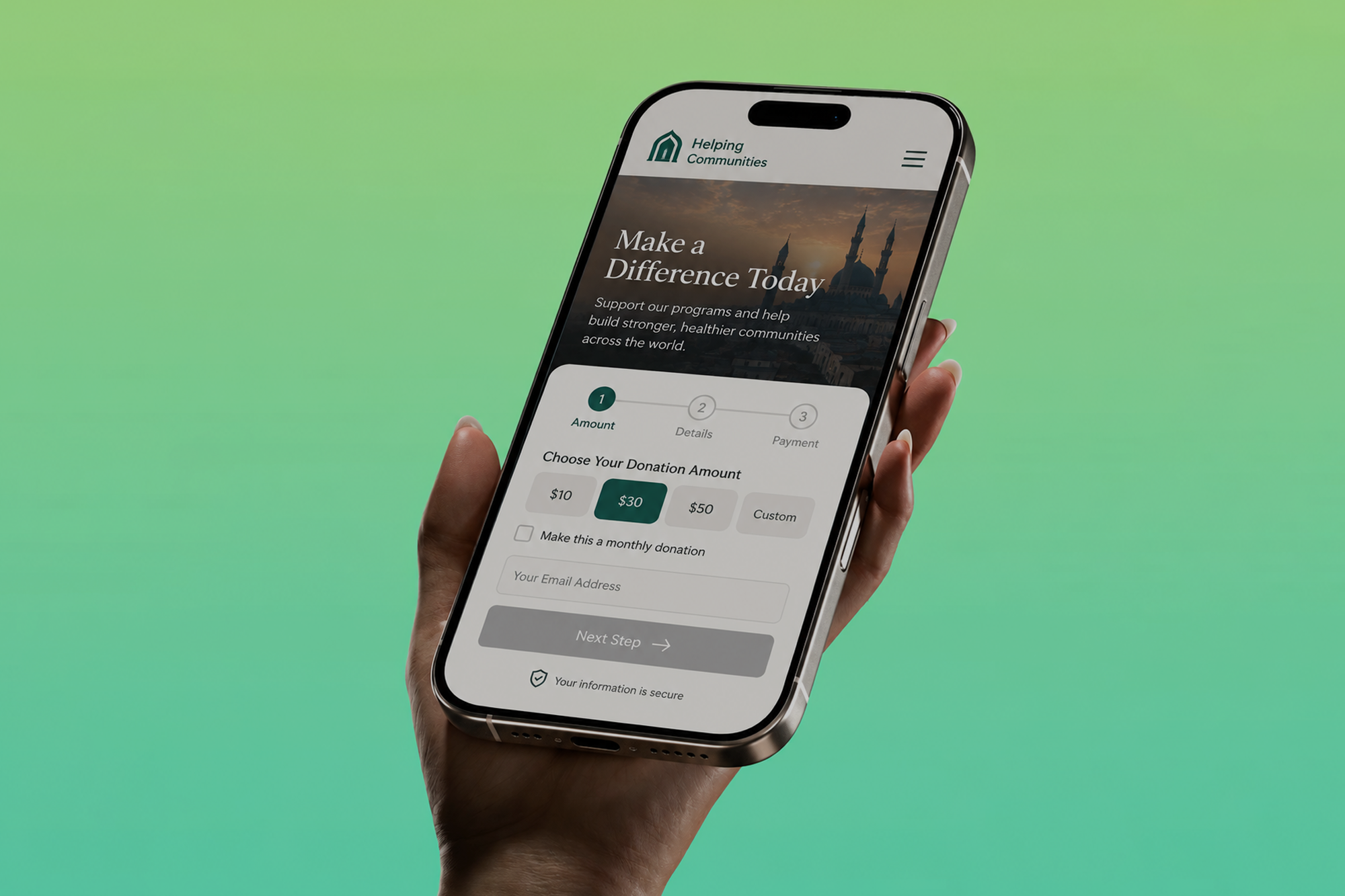
To be a Non-profit organization (NPO) in this day and age is no easy task. While several humanitarian crises grow in severity year by year, the number of NPOs also continues to increase. Every NPO believes its cause to be the most noble and wants to help its own choice of affected individuals around the world. Moreover, with rising distrust, donors also find it difficult to put their trust in a specific organization, especially the first time. Therefore, reaching the correct type of potential donors is essential, and convincing them quickly of your own NPO’s authenticity is even more necessary. This is why marketing of Nonprofits should be of the highest quality, and some mistakes should be foreseen and avoided at all costs.
Top 5 Mistakes in Nonprofit Marketing
Let’s list the most common mistakes one by one and then also jot down how such mistakes can be avoided, so that such pitfalls are never actually reached.
#1: Having No Clear Marketing Strategy
I once met a nonprofit that spent thousands on Facebook ads over a month, only to realize no one even knew what the goal was: more website visits? More donors? Volunteer signups? They got “engagement,” but no impact. That’s the danger of skipping a plan.
How to Avoid It
- Map your direction first
Start with goals, e.g. “increase recurring donors by 20%,” “raise awareness in Newyork,” or “3x volunteer inquiries.” Decide what channels (email, blog posts, paid ads, community events) will serve those goals. Create a deliberate plan for the next 3–6 months. - Evaluate and iterate
Every quarter, review metrics, what content got traction, which campaigns underperformed, and which audiences responded. Use that analysis to pivot. A strategy is meant to evolve, not hide in a drawer.
>> Related Post: AI for Nonprofits: Key Trends and Applications for 2026
#2: Speaking to Everyone Means Reaching Nobody
The ALS Ice Bucket Challenge is a masterclass in targeting. It didn’t aim to educate the entire world about ALS; it aimed at people who like quirky social challenges, who are on social media, and who would be inspired to pass it on. The result? Over $115 million in donations in 8 weeks.
In contrast, many nonprofits post a generic “Help us make a difference” message that doesn’t speak to who they mean, why it matters, or how someone can help. That ambiguity kills engagement.
How to Avoid It
- Build personas
Define 2 to 4 supporter types, e.g., “young professionals who want a simple digital way to give,” or “local volunteers who want hands-on impact.” Flesh out interests, pain points, and communication preferences. - Segment & customize messages
Use your personas to guide communications: emails, social ads, event invites should feel like you’re speaking to that one person. Use segmentation to send custom versions rather than one-size-fits-all.
#3: Weak or Inconsistent Branding & Messaging
Your brand is your emotional imprint. How people feel when they see your name, hear your tagline, or read your posts. Save the Children, for example, has a consistent, urgent visual identity and tone. If you look across their campaigns, you’ll see familiar colors, imagery, and a voice that carries urgency but also hope.
Meanwhile, smaller nonprofits often change fonts, voices, or visual styles from post to post. The result: confusion. No one remembers you.
How to Avoid It
- Create and enforce a brand guide
Include logo versions, color palette, typography rules, photography style, tone of voice, messaging pillars (e.g. “impact,” “transparency,” “hope”). Share the guide with everyone creating content, including staff, partners, and volunteers. - Lead with people, not your organization
Instead of listing your programs, tell the story of a person or community affected. Talk about their journey, challenges, and dreams, and then show how your organization plays a supporting role. This approach draws people into your world, rather than pushing your institution.
>> Related Post: Mastering Donor Segmentation for Nonprofits: Practical Examples & Tips for 2026
#4: Ignoring Data & Analytics
Passion fuels nonprofits, but data guides growth. Yet many organizations never set up analytics, track conversion points, or test variations. Without that information, you never know what truly works.
The ALS campaign famously tracked virality, shares, and donation metrics and capitalized on them.
How to Avoid It
- Start with basic instrumentation
Put Google Analytics on your site, define conversion goals (donation, form fill, newsletter signup), and track key button clicks and funnels. Use dashboards so you can glance and see big trends. - Experiment & adjust
A/B test headlines, calls to action, and email subject lines. Run pilot campaigns on a smaller audience, analyze results, and scale what works. Data tells you where to lean in and where to let go.
Mistake #5: Neglecting Donor Relationships
It’s far easier (and cheaper) to keep a donor than to acquire one. Yet many organizations treat donors as transactions: ask once, then vanish, only returning when they need another gift.
During the Haiti earthquake relief efforts, some organizations saw large influxes of donations, but those donors drifted away months later because they never heard back. This pattern is common when nonprofits don’t nurture relationships. In contrast, charity: water is known for radical transparency; donors receive GPS coordinates and photos showing where their money went. That sense of connection turns first-time donors into lasting supporters.
How to Avoid It
- Design a donor stewardship plan
Don’t just send tax receipts. Send updates, stories, thank-you videos, behind-the-scenes glimpses, or hand-written notes. Make donors feel included, not ignored. - Show measurable impact
Use infographics, case studies, dashboards, and annual reports to show exactly how donations make a difference. The more visible and concrete the impact, the more trust you build.
>> Related Post: Marketing Automation for Nonprofits: Benefits & Use Cases in 2026
How AEON Digital Can Help You Market Your Nonprofit the Right Way
At AEON Digital, we help mission-driven organizations avoid the pitfalls above and build a purpose-driven marketing engine. Here’s how we partner with you:
- Strategic audits & planning
We review your current marketing, fundraising, communications, and audience data. Together, we build a focused, custom strategy to guide your efforts for 6–12 months. - Brand identity & storytelling design
Our team helps you draft or refine your brand guide, messaging pillars, visual identity, and story frameworks so your voice is consistent, compelling, and memorable. - Audience research & segmentation
We support the creation of personas, mapping donor journeys, and structuring campaigns (email, content, ads) that resonate deeply with different supporter groups. - Analytics setup & optimization
We implement tracking, dashboards, conversion funnels, and experiment frameworks. Our team monitors performance, runs A/B tests, and iterates to improve ROI.
Donor cultivation & retention strategies
Through email flows, impact content, storytelling, and thank-you sequences, we help you build lasting donor relationships so your supporters feel valued and engaged.