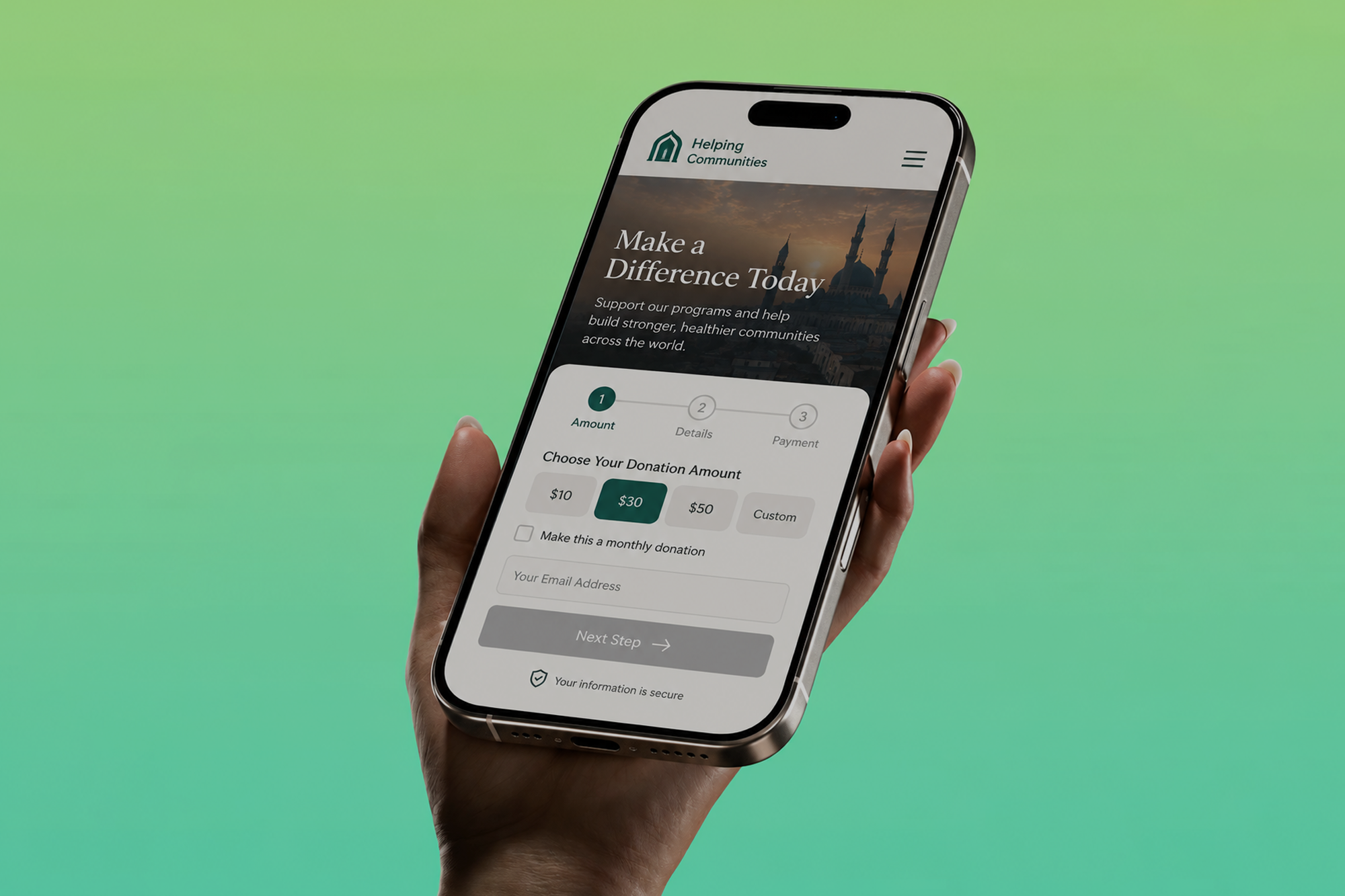
Corporate donations are an increasingly important part of nonprofit fundraising trends, offering financial support, visibility, and long-term partnership potential that go far beyond one-off gifts. In 2024, corporate giving continued to rise, contributing billions to nonprofits as part of the broader charitable giving landscape. According to the Giving USA report, total U.S. charitable giving hit a record $592.5 billion, and corporate giving increased significantly within that total, reflecting the growing commitment of businesses to philanthropic impact.
But tapping into corporate fundraising for nonprofits requires more than just asking for money. You need a corporate giving strategy, a thoughtful approach that aligns your mission with corporate priorities, leverage employee match programs, and build lasting relationships. In this guide, we’ll break down what corporate giving is, why it matters, the key types of corporate donations available, and how your nonprofit can grow through smart corporate partnerships.
What Is Corporate Giving?
Corporate giving refers to financial or in-kind contributions made by businesses to nonprofit organizations. These contributions can take many forms, including direct gifts, sponsorships, matching gifts, volunteer grants, and more. Corporate philanthropy often aligns with a company’s values, brand goals, and corporate social responsibility (CSR) commitments.
At its core, corporate charitable giving is about building relationships between companies and nonprofits that enable meaningful community impact. This approach differs from traditional individual fundraising because corporate donors often seek strategic alignment, measurable outcomes, and brand visibility alongside their support.
Why Corporate Giving Matters for Nonprofits
Incorporating corporate donations and corporate charitable giving into your nonprofit’s fundraising strategy offers more than just funds, it fosters sustainable partnerships that can grow over years. Here’s why this matters:
1. Strategic Alignment with Donor Values
As companies increasingly embrace CSR and ESG (Environmental, Social, Governance) priorities, aligning your mission with their values enhances your appeal. This strategic alignment leads to deeper, more meaningful partnerships.
2. Leveraging Employee Matching Gift Programs
Corporate matching gifts amplify individual donations and encourage greater donor engagement. With the right communication and tools, your nonprofit can unlock this untapped revenue source and boost overall fundraising performance.
3. Driving Fundraising Trends Forward
As overall charitable giving grows, as seen in recent reports, corporate giving represents a rising slice of the total nonprofit funding pie. Organizations that embrace corporate collaboration can capitalize on this trend to sustain long-term impact.
4. Enhancing Community Impact
Corporate partnerships often extend beyond dollars. Through volunteer initiatives, shared campaigns, and co-brand storytelling, nonprofits and business partners can create powerful community engagement.
>> Related Post: 5 Ways to Boost Nonprofit Reach & Engagement on Instagram
Types of Corporate Giving
A diverse corporate giving strategy helps nonprofits tap into multiple revenue streams. Here are some of the most effective forms of corporate fundraising for nonprofits:
1. Direct Corporate Donations
These are straightforward financial contributions from a company to a nonprofit. They can be unrestricted, meaning your organization can use funds where they’re most needed, or designated for a specific program or campaign.
2. Matching Gift Programs
One of the most powerful corporate giving mechanisms is matching gifts, where a company matches donations made by employees to eligible nonprofits. This doubles or even triples the impact of an individual’s gift. Despite their value, many nonprofits underutilize matching gifts; it’s estimated that billions of dollars in matching funds go unclaimed each year due to lack of awareness and strategy.
3. Volunteer Grants
Many companies offer financial contributions based on employee volunteer hours. For example, a company might donate a set amount for every hour an employee volunteers with a nonprofit.
4. Sponsorships
Corporate sponsorships link companies with nonprofit events, programs, or initiatives in exchange for promotional benefits. These partnerships can include logo placement, social media mentions, or speaking opportunities at events.
5. In-Kind Contributions
In-kind corporate donations include goods, services, or expertise instead of cash. These can be especially valuable, for example, marketing support, professional services, technology donations, or product supplies.
6. Corporate Foundation Grants
Some large companies have formal foundations that offer structured grant programs. These often support specific cause areas aligned with the company’s mission and CSR goals.
>> Related Post: 10 AI Marketing & Fundraising Tools for Nonprofits in 2026
Benefits of Corporate Giving
Corporate donations offer a range of benefits for nonprofits, from financial support to expanded outreach and sustainability. Here’s why corporate charitable giving matters:
1. Increased Funding Capacity
Corporate donations provide significant financial resources, helping nonprofits scale their work or invest in new initiatives. With strategic engagement, corporate support can become a reliable revenue stream rather than a one-off boost.
2. Enhanced Credibility and Visibility
Partnering with reputable corporations can raise a nonprofit’s profile and lend credibility to its mission. This visibility can attract new supporters, donors, and volunteers.
3. Expanded Network Opportunities
Corporate partners often bring access to broader networks of employees, customers, and stakeholders, all of whom could become advocates, volunteers, or donors for your cause.
4. Employee Engagement
Corporate philanthropy is often tied to employee engagement; companies with robust giving programs tend to see higher morale and employee loyalty. Nonprofits can benefit when a company encourages its staff to volunteer, advocate, and champion missions they care about.
5. Improved Fundraising Trends Over Time
Corporate giving is part of broader nonprofit fundraising trends where diversified fundraising strategies produce steady growth. As companies increase their focus on social impact and CSR, nonprofits that adapt can benefit greatly from these shifting trends.
>> Related Post: 10 Effective Website Marketing Techniques for Nonprofit Growth
How AEON Digital Can Help Your Nonprofits Through Corporate Giving
At AEON Digital, we specialize in helping nonprofits maximize the potential of corporate giving. Whether you’re looking to refine your corporate giving strategy, integrate technology that boosts matching gift capture, or build compelling sponsorship proposals, we offer solutions according to your goals.
Here’s how we support you:
- Strategy Development: We help define a clear corporate giving roadmap that aligns your mission with the values of prospective corporate partners.
- Technology Integration: From donation form optimization to CRM enhancements, we ensure your nonprofit leverages tools that increase corporate donations and streamline workflows.
- Corporate Outreach: We craft pitch decks, partnership proposals, and communication templates that resonate with corporate audiences.
- Training & Support: Our team equips your staff with best practices for cultivating and stewarding corporate relationships over time.
FAQs
1. What is the difference between corporate donations and corporate charitable giving?
Corporate donations are a specific form of corporate charitable giving, which includes all financial and in-kind support businesses provide to nonprofits. Corporate charitable giving is a broader term encompassing sponsorships, matching gifts, volunteer grants, and more.
2. How do matching gift programs work?
Matching gift programs allow companies to match employee donations, often dollar for dollar, multiplying the impact of individual gifts. Many companies also offer volunteer grants tied to employees’ volunteer hours.
3. Why should nonprofits pursue corporate fundraising?
Corporate fundraising diversifies revenue streams, enhances visibility, and builds strategic partnerships that can yield long-term support beyond individual donations.
4. Are corporate giving trends on the rise?
Yes. Reports show that corporate donations continue to grow as part of overall charitable giving, reflecting increasing corporate commitment to social impact.
5. What are volunteer grants?
Volunteer grants are donations from a company based on the number of hours employees volunteer with a nonprofit.
6. How can nonprofits capture more matching gift revenue?
Nonprofits can integrate matching gift prompts into donation forms, send reminder emails, and educate donors about their eligibility.
7. What role does customization of forms play in corporate fundraising?
Customized forms make it easier to capture corporate partner details and reinforce professionalism, boosting engagement and sponsorship conversion rates.
8. Can in-kind donations be considered corporate giving?
Yes, in-kind contributions like donated services, products, or expertise are a valuable form of corporate philanthropy.
9. How does corporate giving boost nonprofit credibility?
Corporate partnerships often signal trust and alignment with respected brands, increasing a nonprofit’s visibility and legitimacy.
10. How can AEON Digital help nonprofits with corporate giving strategy?
AEON Digital offers tailored strategy development, technology integration, and outreach support to help nonprofits maximize corporate fundraising opportunities.